

Introduction
Food is an important part of human culture, lifestyle, and daily routine. Over time, eating habits have changed significantly due to technology, busy schedules, and changing preferences. Traditional food represents the history, culture, and cooking methods passed down through generations, while modern food reflects today’s fast-paced lifestyle and new culinary trends.
Both traditional and modern foods have their own importance. Traditional meals are often connected with natural ingredients and cultural values, while modern foods focus on convenience, innovation, and variety. This article explores the key differences between traditional food and modern food to understand their benefits, characteristics, and impact on our lifestyle.
What Is Traditional Food?
Traditional food refers to dishes that have been prepared and enjoyed by communities for many generations. These foods are usually based on local ingredients, cultural traditions, and cooking methods developed over time.
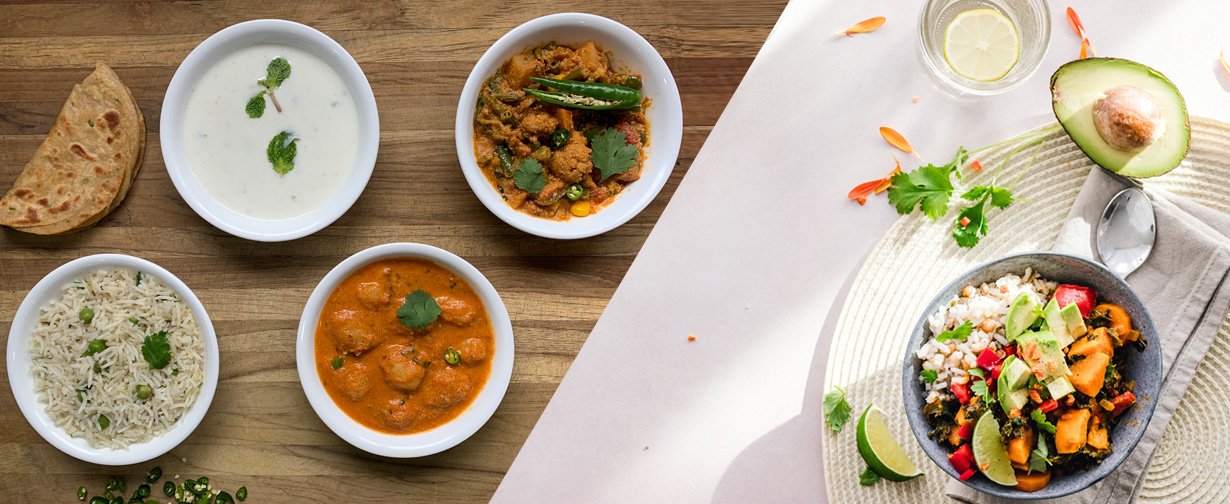
Examples of traditional foods include:
- Biryani
- Nihari
- Sajji
- Traditional curries
- Homemade bread
- Regional desserts
Traditional foods often represent a country’s identity and are commonly prepared during festivals, family gatherings, and special occasions.
What Is Modern Food?
Modern food refers to meals and food trends that have developed with changing lifestyles and new cooking techniques. These foods are often designed for convenience, quick preparation, and changing consumer preferences.
Examples of modern foods include:
- Burgers
- Pizza
- Fast food meals
- Ready-to-eat products
- Fusion dishes
- Processed snacks
Modern food has become popular because it saves time and offers a wide range of choices for busy individuals.
Key Differences Between Traditional Food and Modern Food
1. Ingredients
Traditional food usually focuses on fresh, local, and seasonal ingredients. Many traditional recipes use natural spices, vegetables, and homemade products.
Modern food often includes processed ingredients, packaged items, and commercially produced products. While this increases convenience, it may sometimes reduce nutritional value.
2. Cooking Methods
Traditional cooking methods often involve slow cooking, roasting, steaming, and the use of traditional equipment. These techniques help develop rich flavors and maintain cultural authenticity.
Modern cooking methods usually focus on speed and efficiency. Advanced kitchen appliances and quick preparation techniques are commonly used to save time.
3. Nutritional Value
Traditional foods can be highly nutritious when prepared with balanced ingredients. Many traditional diets include whole grains, fresh vegetables, and natural spices.
Some modern foods may contain higher amounts of sugar, salt, and unhealthy fats, especially processed and fast food options. However, modern cuisine also includes healthy alternatives such as salads, smoothies, and balanced meals.
4. Taste and Flavors
Traditional foods are known for their authentic flavors created through unique spice combinations and cooking techniques. Every region has its own traditional taste that reflects local culture.
Modern foods often focus on creative combinations and new flavors. Chefs experiment with ingredients to create innovative dishes that appeal to different preferences.
5. Time and Convenience
One of the biggest advantages of modern food is convenience. Fast food and ready-made meals are easily available and suitable for people with busy lifestyles.
Traditional food often requires more preparation time because of detailed cooking processes and traditional techniques.
Benefits of Traditional Food
Traditional food offers several advantages:
- Preserves cultural heritage
- Often uses fresh and natural ingredients
- Provides authentic flavors
- Strengthens family and social connections
- Supports local food traditions
Traditional meals are not only about taste but also about maintaining a connection with history and culture.
Benefits of Modern Food
Modern food also provides important benefits:
- Saves preparation time
- Offers more variety
- Provides easy access to meals
- Encourages culinary creativity
- Matches modern lifestyles
With increasing awareness, many modern food options now focus on healthier ingredients and better nutrition.
Impact of Modern Lifestyle on Food Choices
Busy schedules, urban living, and technological changes have influenced how people choose their meals. Many people now prefer quick and convenient food options because they have less time for traditional cooking.
However, there is also growing interest in returning to traditional foods because people are becoming more aware of healthy eating and cultural connections.
Can Traditional and Modern Food Exist Together?
Traditional and modern food do not have to compete with each other. Many chefs and restaurants combine traditional recipes with modern techniques to create unique fusion dishes.
For example, traditional spices can be used in modern recipes, and classic dishes can be prepared using healthier cooking methods. This combination allows people to enjoy the best of both worlds.
Which One Is Better: Traditional Food or Modern Food?
The choice between traditional and modern food depends on personal preferences, lifestyle, and health goals. Traditional food often provides cultural value and natural ingredients, while modern food offers convenience and innovation.
A balanced approach is the best option. Including nutritious traditional meals along with healthy modern choices can help maintain a healthy and enjoyable diet.
Conclusion
Traditional food and modern food both have their own importance in today’s world. Traditional dishes preserve cultural identity and offer authentic flavors, while modern foods provide convenience and new experiences.
Instead of choosing one over the other, people can enjoy a balanced combination of both. By making smart food choices, it is possible to appreciate cultural traditions while adapting to the needs of modern life