

Introduction
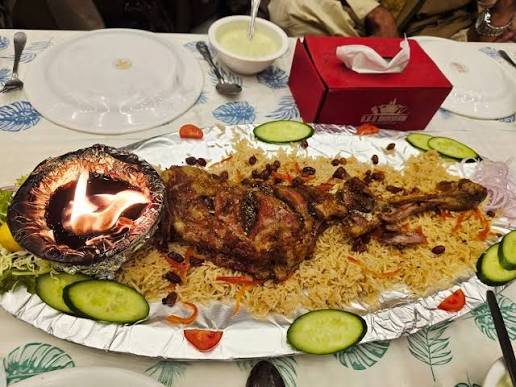
Sajji is one of the most famous traditional dishes of Balochistan, known for its unique cooking style, rich taste, and cultural importance. This flavourful dish is especially popular in Pakistan and has gained recognition among food lovers around the world.
Traditionally prepared with whole lamb or chicken, Sajji is cooked over an open flame or roasted slowly to create a delicious combination of tender meat, smoky aroma, and simple yet impressive flavors. It represents the hospitality and food traditions of the Balochi people.
History and Origin of Sajji
Sajji originated from the Balochistan region, where it has been prepared for generations as a special meal for guests and celebrations. The traditional cooking method reflects the lifestyle and culture of the Balochi people, who preferred simple ingredients combined with expert cooking techniques.
Over time, Sajji became popular in other parts of Pakistan, especially in cities where restaurants introduced different versions of this traditional dish while keeping its original taste and style alive.
What Makes Sajji Unique?
The uniqueness of Sajji comes from its simple preparation and traditional cooking method. Unlike many dishes that use a large number of spices, authentic Sajji focuses on enhancing the natural flavor of the meat.
The main features that make Sajji special include:
- Whole meat preparation
- Traditional roasting technique
- Smoky and rich flavor
- Simple seasoning
- Tender and juicy texture
The slow roasting process allows the meat to cook evenly while maintaining its natural taste.
Traditional Ingredients of Sajji
The basic ingredients used in traditional Sajji are simple but carefully selected. Common ingredients include:
- Whole chicken or lamb
- Salt
- Traditional spices
- Lemon juice
- Rice (in some variations)
The quality of meat and cooking technique play an important role in achieving the perfect Sajji flavor.
How Sajji Is Prepared
Traditional Sajji is prepared by cleaning and seasoning the whole meat before roasting it. The meat is usually placed on a skewer and cooked over charcoal or an open flame.
The slow cooking process gives Sajji its famous smoky aroma and soft texture. In some variations, it is served with flavorful rice, making it a complete and satisfying meal.
Popularity of Sajji in Pakistan
Sajji is considered one of the most iconic dishes of Pakistan. It is especially famous in Balochistan, Punjab, and other regions where people enjoy its traditional taste.
Many restaurants across Pakistan serve Sajji as a specialty dish, attracting customers who want to experience authentic Balochi flavors.
Cultural Importance of Sajji
Sajji is more than just a meal; it is a symbol of tradition, hospitality, and celebration. In Balochi culture, serving food to guests is an important part of social gatherings, and Sajji is often prepared for special occasions.
Its connection with traditional cooking methods makes it a valuable part of Pakistan’s culinary heritage.
Health and Nutritional Value of Sajji
Sajji can provide important nutrients because meat is a good source of protein, vitamins, and minerals. When prepared with balanced ingredients and without excessive oil, it can be a nutritious meal option.
However, portion control is important, especially for dishes made with rich cuts of meat.
Best Way to Enjoy Sajji
Sajji is usually served hot with rice, salad, chutney, and traditional sauces. The combination of tender meat and side dishes creates a balanced and enjoyable dining experience.
For the best taste, Sajji should be eaten fresh after preparation to enjoy its aroma and texture.
Conclusion
Sajji is a remarkable example of Balochi culinary tradition that combines simplicity, flavor, and cultural history. Its unique roasting style, delicious taste, and connection with hospitality have made it one of Pakistan’s most loved traditional dishes.
Whether enjoyed at a family gathering or a traditional restaurant, Sajji continues to represent the rich food heritage of Balochistan and remains a favorite among food lovers