

Introduction
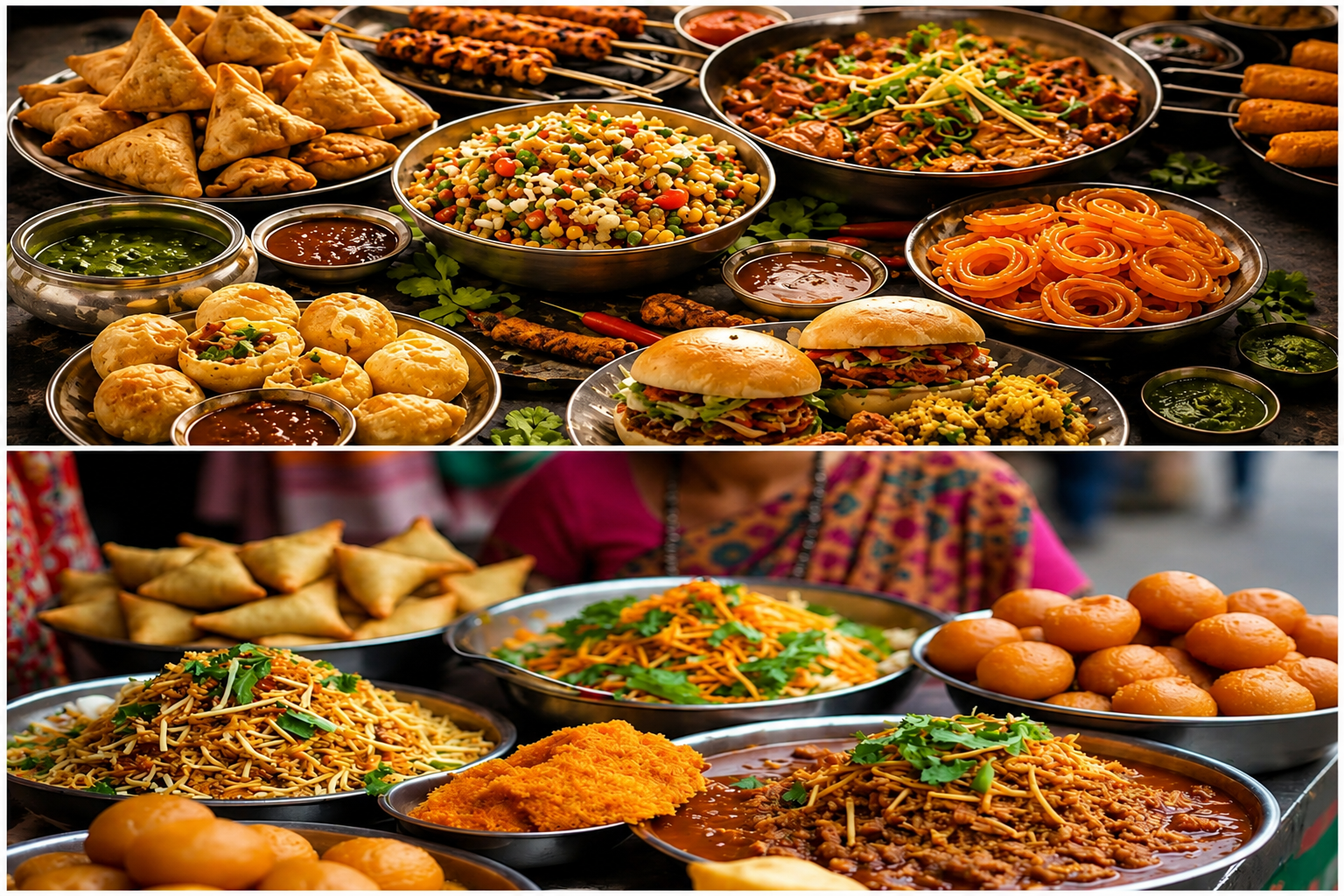
Pakistani street food is one of the country’s greatest culinary treasures, offering a rich blend of flavors, traditions, and cultural diversity. From the bustling streets of Karachi to the historic food markets of Lahore and the vibrant bazaars of Peshawar, street food plays an essential role in everyday life. Affordable, delicious, and freshly prepared, these dishes attract people from all walks of life and provide visitors with an authentic taste of Pakistan.
Street food in Pakistan is more than just a quick meal. It reflects the nation’s history, regional identities, and love for sharing food with family and friends. Every city has its own specialties, making Pakistan a paradise for food lovers.
What Makes Pakistani Street Food Special?
Pakistani street food is known for its bold spices, fresh ingredients, and unique cooking techniques. Vendors often prepare meals right in front of customers, ensuring freshness and allowing people to enjoy the sights and aromas of the cooking process.
Several factors make Pakistani street food stand out:
- Rich and aromatic spices
- Freshly cooked meals
- Affordable prices
- Regional diversity
- Traditional recipes passed down through generations
- Warm hospitality and vibrant food culture
These qualities have made Pakistani street food popular not only within the country but also among international travelers and food enthusiasts.
Popular Pakistani Street Foods
Gol Gappay (Pani Puri)
Gol Gappay are among Pakistan’s most beloved street snacks. These crispy hollow shells are filled with chickpeas, potatoes, and tangy, spicy flavored water. Their crunchy texture and refreshing taste make them especially popular during the summer months.
Bun Kabab
Bun Kabab is often described as Pakistan’s answer to the burger. It consists of a soft bun filled with a spicy lentil or meat patty, egg, onions, chutney, and fresh vegetables. It is a filling, affordable meal enjoyed by students, office workers, and families alike.
Chaat
Chaat is a flavorful snack made with potatoes, chickpeas, yogurt, tamarind chutney, mint sauce, onions, and aromatic spices. Its perfect balance of sweet, sour, spicy, and savory flavors makes it one of the country’s favorite street foods.
Samosas
Samosas are crispy triangular pastries stuffed with potatoes, vegetables, minced meat, or lentils. They are commonly served with mint or tamarind chutney and are enjoyed as a snack throughout the day.
Pakoras
Pakoras are deep-fried fritters made from vegetables, potatoes, spinach, onions, or chicken coated in seasoned gram flour batter. They are especially popular during the rainy season and are traditionally served with hot tea.
Nihari
Although often considered a breakfast dish, Nihari is widely available from street vendors in many Pakistani cities. This slow-cooked beef or mutton stew is rich in spices and is typically served with naan.
Haleem
Haleem is a nutritious dish prepared by slowly cooking wheat, barley, lentils, and meat together for several hours. Rich in protein and flavor, it is especially popular during Ramadan but is available year-round in many cities.
Chapli Kabab
Originating from Khyber Pakhtunkhwa, Chapli Kabab is made with minced meat mixed with herbs, spices, tomatoes, onions, and pomegranate seeds. It is served with naan, yogurt sauce, and fresh salad.
Famous Street Food Cities in Pakistan
Lahore
Lahore is widely recognized as Pakistan’s food capital. Areas such as Gawalmandi Food Street, Fort Road Food Street, and Anarkali Bazaar are famous for serving traditional Pakistani dishes that attract thousands of visitors daily.
Karachi
Karachi offers one of the most diverse street food experiences in the country. Visitors can enjoy Bun Kabab, Biryani, BBQ, Gol Gappay, Chaat, and many other local specialties throughout the city.
Peshawar
Peshawar is renowned for its authentic Chapli Kabab, freshly grilled meat, traditional naan, and rich Afghan-influenced cuisine that reflects the region’s cultural heritage.
Islamabad and Rawalpindi
The twin cities feature a growing street food culture with modern food streets and traditional markets offering everything from Pakistani classics to fusion dishes.
Health and Hygiene Considerations
While Pakistani street food is delicious and affordable, maintaining proper hygiene is important. Reputable vendors focus on cleanliness and use fresh ingredients to ensure food safety.
Consumers can reduce health risks by:
- Choosing busy food stalls with high customer turnover
- Ensuring food is freshly prepared
- Drinking clean bottled water
- Avoiding uncooked ingredients if hygiene is uncertain
- Washing hands before eating
Responsible food choices help ensure a safe and enjoyable dining experience.
Cultural Importance of Pakistani Street Food
Street food is deeply connected to Pakistan’s social and cultural traditions. Families, friends, and colleagues often gather at roadside eateries to enjoy meals together. Food festivals, religious celebrations, weddings, and national events frequently feature popular street food dishes.
Street food also supports thousands of small businesses and local entrepreneurs, contributing significantly to Pakistan’s economy while preserving traditional cooking methods.
Why Tourists Love Pakistani Street Food
International visitors are increasingly discovering Pakistan’s rich culinary scene. Street food offers travelers an affordable opportunity to experience authentic local flavors and interact with local communities.
Many travel bloggers and food critics praise Pakistan for its:
- Rich variety of traditional dishes
- Generous portions
- Affordable prices
- Friendly atmosphere
- Unique regional flavors
- Authentic cooking techniques
These experiences make Pakistani street food an essential part of exploring the country’s culture.
The Future of Pakistani Street Food
As tourism and digital media continue to grow, Pakistani street food is gaining international recognition. Many vendors are improving food safety standards, modernizing their stalls, and expanding through food delivery services while maintaining traditional recipes.
This combination of authenticity and innovation is helping introduce Pakistani cuisine to a global audience.
Conclusion
Pakistani street food represents the heart of the country’s culinary identity. Its combination of bold flavors, regional diversity, affordable prices, and rich cultural heritage makes it one of South Asia’s most exciting food experiences. Whether enjoying crispy Gol Gappay in Karachi, spicy Chaat in Lahore, or freshly prepared Chapli Kabab in Peshawar, every meal tells a story of tradition, hospitality, and passion for food.
For both locals and tourists, exploring Pakistani street food is more than simply satisfying hunger—it is an unforgettable journey through Pakistan’s vibrant culture and timeless culinary traditions.