

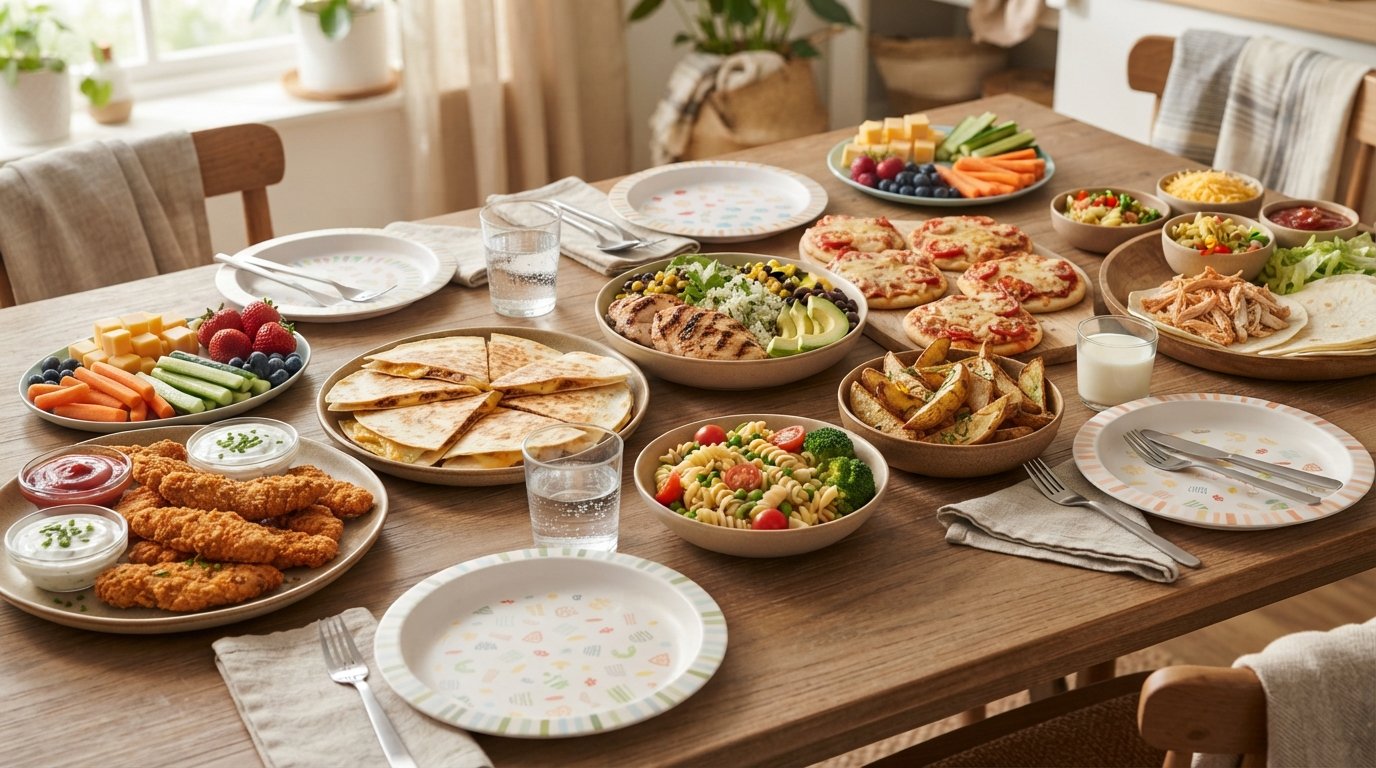
Preparing dinner for a family can become difficult when one or more children are selective about what they eat. Strong preferences for certain flavors, textures, colors, or ingredients are common during childhood, but that does not mean parents need to prepare completely separate meals every evening.
The most practical approach is to create easy family dinner recipes for picky eaters that are familiar, customizable, and still provide important nutrients. Meals can include familiar ingredients while offering small opportunities to try something new.
The recipes below focus on simple preparation, flexible ingredients, and kid-friendly textures. They can also be adjusted according to allergies, dietary requirements, and individual preferences.
How to Make Dinner Easier for Picky Eaters
Before getting into the recipes, a few principles can make family meals considerably less stressful.
Include One Familiar Food
When serving something new, include at least one food the child already accepts. For example, serve roasted vegetables alongside familiar rice or chicken.
Keep New Foods in Small Portions
A child does not need to eat a large serving of a new food. A small portion can make unfamiliar ingredients feel less overwhelming.
Offer Choices
Instead of asking, “What do you want for dinner?” offer two reasonable options. For example, ask whether they want cucumber or carrots with their chicken wrap.
Avoid Making Separate Meals Every Night
If the family always prepares a completely different meal for a picky eater, the child may become less willing to explore new foods. Whenever possible, serve one family meal with components that can be customized.
Keep Mealtimes Calm
Pressure, arguments, and forcing children to finish everything on their plate can make mealtimes more stressful. Encourage children to try foods without turning dinner into a battle.
1. Build-Your-Own Chicken Tacos
Tacos are one of the easiest meals to customize because children can choose which ingredients they want.
Ingredients
- Small corn or whole-grain tortillas
- Cooked chicken
- Shredded cheese
- Lettuce
- Diced tomatoes
- Cucumber
- Avocado
- Plain yogurt
- Mild seasoning
Preparation
Cook the chicken with a mild seasoning blend.
Place the ingredients in separate bowls.
Let each family member assemble their own taco.
Why Picky Eaters May Like It
Children can control what goes into their taco. A child who dislikes tomatoes can leave them out while still eating chicken, cheese, and another vegetable.
2. Creamy Chicken and Vegetable Pasta
Pasta is familiar to many children and can provide an easy base for adding vegetables.
Ingredients
- 2 cups cooked pasta
- 1 cup cooked chicken
- 1/2 cup finely chopped carrots
- 1/2 cup peas
- 1/2 cup broccoli
- 1/2 cup plain Greek yogurt
- Small amount of grated cheese
- Black pepper
Preparation
Cook the pasta according to package instructions.
Steam the vegetables until tender.
Mix the pasta, chicken, vegetables, and Greek yogurt.
Add grated cheese and a small amount of black pepper.
Why It Works
The creamy texture can make vegetables less intimidating, while the pasta and chicken provide familiar flavors and textures.
3. Homemade Chicken Quesadillas
Quesadillas are quick, filling, and easy to adapt.
Ingredients
- Whole-grain tortillas
- Cooked shredded chicken
- Shredded cheese
- Finely chopped bell pepper
- Corn
- Avocado, optional
Preparation
Place chicken, cheese, and a small amount of vegetables on one tortilla.
Cover with another tortilla.
Cook in a nonstick pan until the cheese melts and the tortilla becomes lightly crisp.
Cut into triangles before serving.
Why It Works
The melted cheese provides a familiar flavor, while vegetables can be introduced gradually.
4. Homemade Mini Chicken Pizzas
Instead of ordering pizza, make smaller homemade versions that allow children to choose their toppings.
Ingredients
- Whole-grain pita bread or small flatbreads
- Tomato sauce
- Mozzarella cheese
- Cooked chicken
- Bell peppers
- Sweet corn
- Mushrooms, optional
Preparation
Spread tomato sauce over the flatbread.
Add cheese and selected toppings.
Bake until the cheese melts and the edges become lightly crisp.
Allow the pizza to cool before serving.
Picky-Eater Tip
Do not overload the pizza with vegetables. Start with one familiar topping and introduce other ingredients gradually.
5. Chicken and Rice Bowls
Rice bowls are useful because each ingredient can be served separately.
Ingredients
- Cooked rice
- Grilled or baked chicken
- Carrots
- Cucumber
- Sweet corn
- Avocado
- Plain yogurt
Preparation
Place rice in individual bowls.
Arrange chicken and vegetables separately rather than mixing everything together.
Add yogurt or another mild sauce on the side.
Why It Works
Some picky eaters dislike foods touching each other. A deconstructed bowl lets children choose how much of each ingredient they want.
6. Crispy Homemade Chicken Tenders
Homemade chicken tenders can be a more nutritious alternative to heavily processed versions.
Ingredients
- Chicken breast strips
- Whole-grain breadcrumbs
- 1 egg
- Paprika
- Garlic powder
- Black pepper
- Small amount of olive oil
Preparation
Dip chicken strips into beaten egg.
Coat them with seasoned breadcrumbs.
Place on a lined baking tray and lightly brush with olive oil.
Bake until the chicken is fully cooked and the coating becomes crisp.
Serving Ideas
Serve with:
- Cucumber sticks
- Carrot sticks
- Baked potato wedges
- Fresh fruit
- Yogurt-based dipping sauce
7. Mild Beef and Vegetable Rice Skillet
A one-pan dinner can save time while allowing vegetables to be incorporated gradually.
Ingredients
- Lean ground beef
- Cooked rice
- Finely chopped carrots
- Peas
- Bell pepper
- Corn
- Mild seasoning
- Small amount of olive oil
Preparation
Cook the ground beef thoroughly in a large skillet.
Add finely chopped vegetables and cook until tender.
Stir in cooked rice.
Season lightly and serve warm.
Why It Works
The familiar combination of beef and rice can make vegetables easier to accept, particularly when they are chopped into small pieces.
8. Baked Potato Bar
A baked potato bar turns dinner into a customizable meal.
Ingredients
- Baked potatoes
- Shredded chicken
- Grated cheese
- Plain Greek yogurt
- Sweet corn
- Chopped cucumber
- Steamed broccoli
- Avocado
Preparation
Bake potatoes until soft.
Place toppings in separate bowls.
Allow each family member to build their own potato.
Why It Works
Children can choose familiar toppings while being exposed to additional options without pressure.
9. Turkey and Cheese Roll-Ups
Roll-ups are simple enough for busy evenings and can be served with a variety of sides.
Ingredients
- Whole-grain tortillas
- Sliced turkey
- Cheese
- Lettuce
- Cucumber
- Plain yogurt or hummus
Preparation
Spread yogurt or hummus over the tortilla.
Add turkey, cheese, lettuce, and cucumber.
Roll tightly and cut into smaller pieces.
Serving Ideas
Pair with apple slices, berries, carrots, or baked potato wedges.
10. Hidden Vegetable Tomato Pasta Sauce
If your child strongly dislikes visible vegetables, blending them into a sauce can make them less noticeable. However, this should not be the only way vegetables are offered. Children should still have opportunities to see and explore vegetables separately.
Ingredients
- Whole-grain pasta
- Tomato sauce
- Carrot
- Bell pepper
- Zucchini
- Cooked chicken or lean ground beef
- Olive oil
- Italian herbs
Preparation
Cook the vegetables until soft.
Blend them into the tomato sauce.
Cook the chicken or beef separately.
Combine the sauce with the protein and cooked pasta.
Why It Works
Blending changes the texture and appearance of vegetables, which may make the meal more acceptable to children who dislike chunks.
11. Breakfast-for-Dinner Egg and Toast Plate
Dinner does not have to follow traditional dinner foods.
Ingredients
- Scrambled or boiled eggs
- Whole-grain toast
- Avocado
- Cucumber
- Fresh berries
- Plain yogurt
Preparation
Prepare eggs according to your child’s preference.
Serve with toasted whole-grain bread and small portions of fruit and vegetables.
Why It Works
Eggs and toast are familiar foods for many children, and the meal can be assembled quickly.
12. Homemade Mac and Cheese With Vegetables
Mac and cheese can be modified to include additional nutritious ingredients.
Ingredients
- Whole-grain or regular pasta
- Cheddar cheese
- Milk
- Plain Greek yogurt
- Finely blended cooked cauliflower or butternut squash
- Small amount of butter
- Black pepper
Preparation
Cook the pasta.
Prepare a cheese sauce using milk, cheese, yogurt, and a small amount of butter.
Blend the cooked vegetable into the sauce.
Combine the sauce and pasta.
Picky-Eater Tip
Start with a small amount of blended vegetable. The goal is to maintain a familiar taste and texture rather than completely changing the meal.
13. Homemade Chicken Burgers
Burgers can become a balanced family dinner when served with nutritious sides.
Ingredients
- Ground chicken
- Whole-grain burger buns
- Lettuce
- Tomato
- Cucumber
- Cheese
- Plain yogurt-based sauce
Preparation
Shape ground chicken into small patties.
Cook thoroughly in a skillet or grill pan.
Place the patty inside a whole-grain bun and allow children to select their toppings.
Side Ideas
Serve with:
- Baked potato wedges
- Corn
- Cucumber
- Fruit
- Simple salad
14. Simple Vegetable Fried Rice
Fried rice is a practical way to use leftover rice and introduce vegetables.
Ingredients
- Cooked rice
- Eggs
- Carrots
- Peas
- Corn
- Bell peppers
- Small amount of low-sodium soy sauce
- Sesame or olive oil
Preparation
Heat a small amount of oil in a skillet.
Cook the eggs and set them aside.
Add vegetables and cook until tender.
Add rice and eggs.
Season with a small amount of low-sodium soy sauce and mix thoroughly.
Why It Works
The rice provides a familiar base, while finely chopped vegetables can be incorporated without overwhelming the dish.
15. DIY Dinner Snack Plate
When everyone is tired, a snack-style dinner can be a practical option.
Ingredients
Choose several foods from different groups:
- Cheese cubes
- Whole-grain crackers
- Cooked chicken
- Hummus
- Cucumber
- Carrot sticks
- Apple slices
- Berries
- Boiled eggs
Preparation
Arrange small portions of the ingredients on a plate or divided lunchbox-style container.
Let children choose what they want to combine.
Why It Works
The variety allows children to select familiar foods while still being exposed to different options.
How to Make Vegetables More Appealing to Picky Eaters
Vegetables are often one of the biggest challenges at family dinner. Instead of repeatedly demanding that a child eat them, experiment with preparation and presentation.
Change the Texture
A child who dislikes steamed broccoli may enjoy roasted broccoli. Someone who refuses raw carrots may prefer them cooked.
Start With Small Portions
One or two pieces can be enough when introducing a new vegetable.
Serve Vegetables With a Familiar Dip
Hummus, yogurt-based dips, or another suitable dip can make vegetables more appealing.
Let Children Help Prepare Them
Children can wash vegetables, arrange ingredients, or choose which vegetables appear on their plate.
Do Not Hide Everything
Blended vegetables can be useful in sauces, but children should also learn what vegetables look and taste like. Exposure matters.
Easy Family Dinner Formula for Picky Eaters
A simple formula can make meal planning easier:
Choose one protein: Chicken, eggs, fish, lean beef, beans, or lentils.
Choose one familiar carbohydrate: Rice, potatoes, pasta, tortillas, or whole-grain bread.
Add one fruit or vegetable: Use something the child already accepts alongside a new option.
Add a simple sauce or dip: Yogurt, hummus, tomato sauce, or another family favorite.
This structure gives you flexibility without requiring a completely different meal every night.
Sample Five-Day Dinner Plan
Monday: Chicken quesadillas with cucumber, corn, and fresh fruit.
Tuesday: Chicken and rice bowls with carrots and avocado.
Wednesday: Homemade mini chicken pizzas with a side of berries and cucumber.
Thursday: Homemade chicken tenders with baked potato wedges and carrots.
Friday: Build-your-own tacos with chicken, cheese, lettuce, tomatoes, and avocado.
The same ingredients can be reused across multiple meals to reduce food waste and preparation time.
Tips for Parents of Picky Eaters
Avoid Pressure
Forcing a child to eat a specific food can create negative associations with mealtimes.
Keep Offering Foods
A child may need repeated exposure before accepting a new food. One refusal does not necessarily mean the food will always be rejected.
Eat Together When Possible
Children often learn eating habits by observing the people around them.
Model Balanced Eating
If adults regularly eat vegetables, fruits, whole grains, and other nutritious foods, children have an opportunity to observe those habits.
Keep Expectations Realistic
A healthy dinner does not need to be perfectly balanced every single night. Look at the overall pattern across several days.
Final Thoughts
The best easy family dinner recipes for picky eaters are not complicated meals designed to disguise every healthy ingredient. They are flexible family meals that combine familiar foods with opportunities to explore new flavors, textures, and ingredients.
Chicken tacos, quesadillas, rice bowls, homemade pizza, pasta, burgers, baked potatoes, and snack plates can all be adapted to different preferences without requiring parents to cook several separate dinners.
Keep portions manageable, offer choices, include at least one familiar food, and avoid turning mealtimes into a struggle. Picky eating can change over time, and consistent exposure to a variety of foods can help children gradually become more comfortable with different tastes and textures.
The goal is not to make every dinner perfect. The goal is to create a family meal routine that is nutritious, realistic, and sustainable.