

Introduction
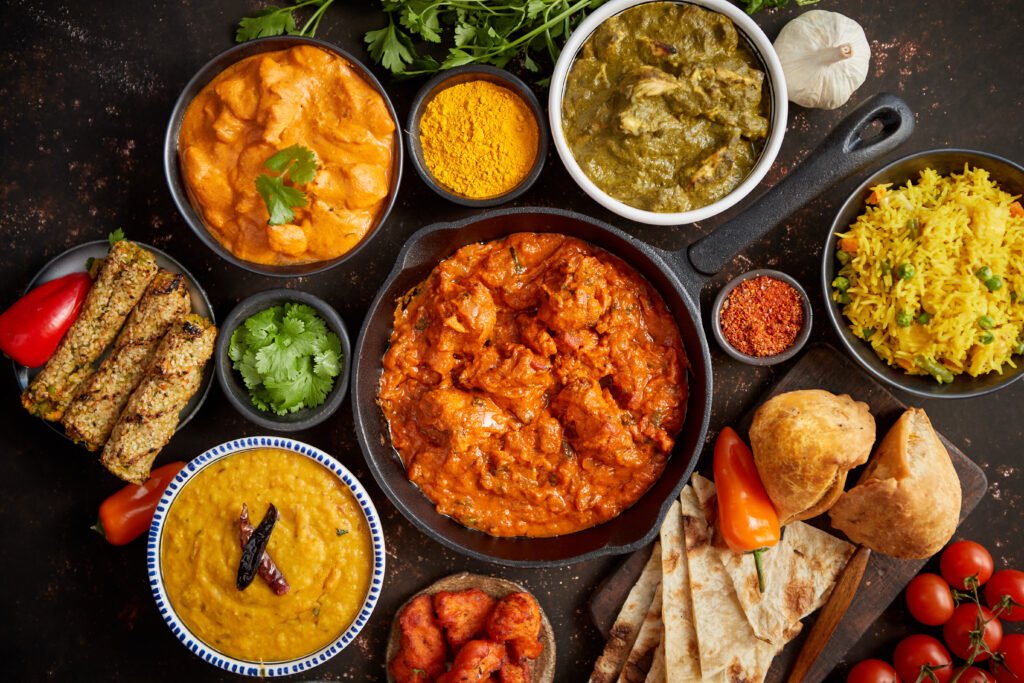
Pakistani cuisine is a beautiful reflection of the country’s rich history, diverse cultures, and traditional values. Known for its bold flavors, aromatic spices, and unique cooking techniques, Pakistani food represents centuries of cultural influences and regional traditions.
From spicy curries and flavorful rice dishes to traditional breads and sweet desserts, Pakistani cuisine offers a wide variety of tastes. Food in Pakistan is not only a source of nutrition but also a way of celebrating relationships, traditions, and hospitality.
The Historical Background of Pakistani Cuisine
The history of Pakistani cuisine dates back thousands of years and has been influenced by various civilizations, including the Indus Valley Civilization, Persian traditions, Central Asian cultures, and Mughal cuisine.
The ancient regions of Pakistan developed unique cooking methods using locally available ingredients such as wheat, rice, vegetables, dairy products, and spices. Over time, different rulers and cultures introduced new flavors, techniques, and recipes that became an important part of Pakistani food traditions.
The Mughal era had a significant impact on Pakistani cuisine by introducing rich dishes prepared with aromatic spices, nuts, dried fruits, and slow-cooking methods. Many famous dishes today, such as biryani, kebabs, and rich curries, carry influences from this period.
Regional Diversity of Pakistani Cuisine
One of the most interesting aspects of Pakistani food is its regional diversity. Every province has its own special dishes, flavors, and cooking styles.
Punjabi Cuisine
Punjabi food is known for its rich flavors and hearty meals. It often includes dairy products, wheat-based dishes, and flavorful spices.
Popular Punjabi dishes include:
- Chicken karahi
- Saag and makki di roti
- Lassi
- Tandoori dishes
Punjabi cuisine represents warmth, hospitality, and traditional family dining.
Sindhi Cuisine
Sindhi cuisine is famous for its spicy and flavorful dishes. It combines unique spices with traditional cooking methods.
Famous Sindhi foods include:
- Sindhi biryani
- Sai bhaji
- Sindhi kadhi
- Fish dishes
The cuisine reflects the cultural history and traditions of the Sindhi community.
Balochi Cuisine
Balochi cuisine is known for its simple preparation and natural flavors. Traditional cooking methods often focus on slow roasting and highlighting the taste of ingredients.
Popular Balochi dishes include:
- Sajji
- Kaak bread
- Balochi meat dishes
Balochi food represents simplicity, tradition, and the connection between food and community.
Khyber Pakhtunkhwa Cuisine
The cuisine of Khyber Pakhtunkhwa is famous for its meat dishes and traditional flavors. It often uses fewer spices but focuses on rich taste and quality ingredients.
Popular dishes include:
- Chapli kebab
- Peshawari karahi
- Kabuli pulao
The food reflects the region’s cultural heritage and traditional lifestyle.
Famous Traditional Pakistani Dishes
Biryani
Biryani is one of Pakistan’s most loved dishes. Made with aromatic rice, meat, and a combination of spices, it is commonly served at weddings, celebrations, and family gatherings.
Nihari
Nihari is a traditional slow-cooked meat dish known for its rich flavor and special spices. It is especially popular as a breakfast dish in many parts of Pakistan.
Karahi
Karahi is a famous Pakistani dish prepared with meat, tomatoes, green chilies, and spices. Its fresh flavors and traditional cooking style make it a favorite among food lovers.
Kebabs
Pakistani kebabs are known for their delicious taste and variety. They are prepared using different types of meat and spices, including famous varieties like seekh kebab and chapli kebab.
The Role of Food in Pakistani Culture
Food plays a major role in Pakistani social life. Meals are often connected with family gatherings, festivals, weddings, and religious occasions.
Hospitality is an important part of Pakistani culture, and serving delicious food to guests is considered a sign of respect and kindness. Traditional dishes are often prepared with care and shared with family members and visitors.
The Importance of Spices in Pakistani Cuisine
Spices are the heart of Pakistani cooking. They add aroma, color, and depth to dishes. Common spices used in Pakistani cuisine include:
- Cumin
- Coriander
- Turmeric
- Red chili
- Cardamom
- Cinnamon
- Cloves
The careful combination of spices creates the unique taste that makes Pakistani food famous worldwide.
Pakistani Cuisine Around the World
Pakistani cuisine has gained popularity internationally due to its rich flavors and cultural appeal. Pakistani restaurants can be found in many countries, introducing global audiences to traditional dishes.
People around the world enjoy Pakistani foods such as biryani, kebabs, curries, and desserts because of their authentic taste and unique cooking styles.
The Future of Pakistani Cuisine
With changing lifestyles and modern food trends, Pakistani cuisine continues to evolve. Chefs are combining traditional recipes with modern techniques while preserving the original flavors.
The growing popularity of Pakistani food worldwide shows that traditional cuisine can maintain its cultural identity while reaching new audiences.
Conclusion
Pakistani cuisine is more than just food; it is a reflection of history, culture, and traditions passed down through generations. Its regional diversity, flavorful spices, and connection with hospitality make it one of the most unique cuisines in the world.
From traditional family meals to international restaurants, Pakistani food continues to represent the rich heritage and warm culture of Pakistan.