

Introduction
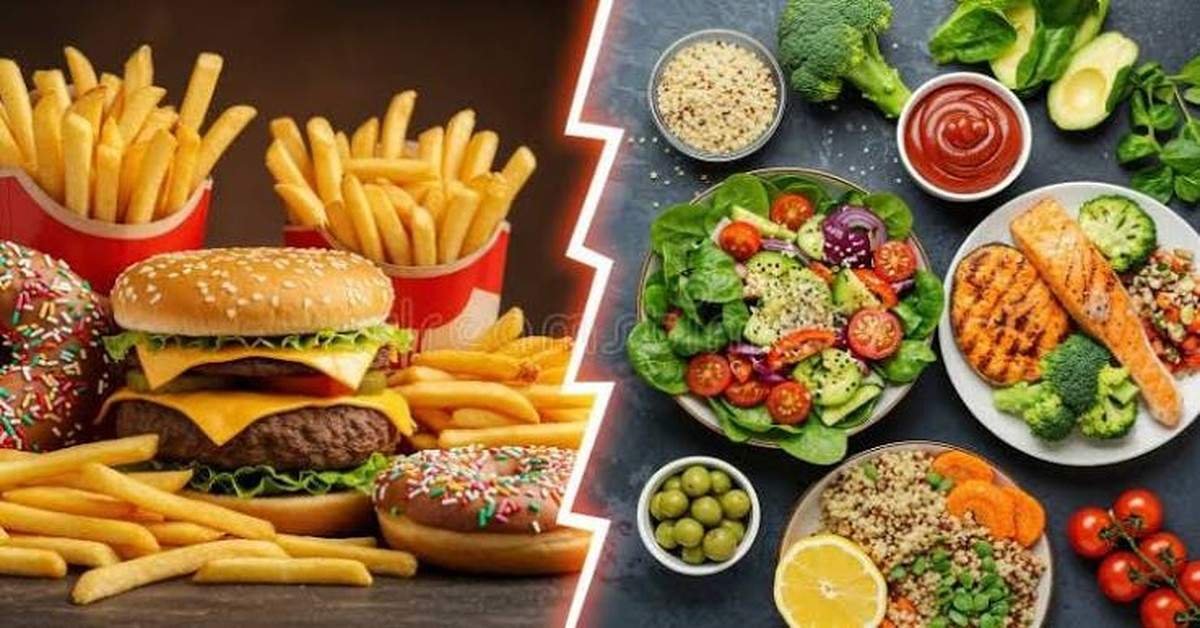
Food plays a vital role in maintaining a healthy lifestyle and overall well-being. The choices people make about what they eat can significantly impact their energy levels, physical health, and quality of life. Among the most common dietary choices are healthy food and fast food. While healthy food focuses on nutrition and long-term wellness, fast food is known for its convenience and quick preparation.
Understanding the differences between healthy food and fast food can help individuals make informed decisions and develop better eating habits. This article compares both food types, highlighting their benefits, drawbacks, and overall impact on health.
What Is Healthy Food?
Healthy food refers to meals made from fresh, natural, and nutrient-rich ingredients. These foods provide essential vitamins, minerals, protein, fiber, and healthy fats that support the body’s daily functions.
Examples of healthy foods include:
- Fresh fruits and vegetables
- Whole grains
- Lean meats and fish
- Eggs
- Beans and legumes
- Nuts and seeds
- Low-fat dairy products
Healthy food helps maintain a balanced diet and supports long-term health.
What Is Fast Food?
Fast food consists of meals that are prepared and served quickly. It is designed for convenience and is widely available through restaurants, takeaways, and food delivery services.
Popular fast food items include:
- Burgers
- Pizza
- Fried chicken
- French fries
- Hot dogs
- Sandwiches
- Soft drinks
Although fast food is convenient and flavorful, frequent consumption may affect overall health when it becomes a regular part of the diet.
Key Differences Between Healthy Food and Fast Food
1. Nutritional Value
Healthy food is rich in essential nutrients that help strengthen the immune system, improve digestion, and support overall body functions.
Fast food often contains higher amounts of calories, saturated fats, sodium, and added sugars while providing fewer essential nutrients.
2. Ingredients
Healthy meals are prepared using fresh vegetables, fruits, whole grains, and natural ingredients with minimal processing.
Fast food usually contains processed ingredients, preservatives, artificial flavorings, and refined carbohydrates to improve taste and extend shelf life.
3. Preparation Method
Healthy food is commonly grilled, baked, steamed, or boiled to preserve nutrients.
Fast food is frequently deep-fried or heavily processed, which can increase its calorie and fat content.
4. Health Impact
Regular consumption of healthy food supports:
- Strong immunity
- Healthy body weight
- Better digestion
- Improved heart health
- Increased energy levels
Excessive consumption of fast food may contribute to:
- Weight gain
- High blood pressure
- Increased cholesterol levels
- Type 2 diabetes risk
- Heart-related diseases
5. Cost and Convenience
Healthy food may require more planning, shopping, and cooking time.
Fast food is easily accessible, quick to prepare, and convenient for people with busy schedules.
Benefits of Healthy Food
Healthy eating offers numerous advantages, including:
- Provides essential nutrients
- Supports healthy growth and development
- Improves concentration and productivity
- Strengthens the immune system
- Helps maintain a healthy weight
- Reduces the risk of chronic diseases
- Promotes long-term well-being
A balanced diet contributes to both physical and mental health.
Advantages of Fast Food
Despite its limitations, fast food has certain benefits when consumed occasionally:
- Saves time
- Easily available
- Affordable in many locations
- Offers a wide variety of meal options
- Convenient during travel or busy workdays
The key is moderation rather than making fast food a daily habit.
How to Make Healthier Food Choices
Making better food choices does not mean eliminating fast food completely. Instead, focus on creating a balanced eating routine.
Some practical tips include:
- Eat more fresh fruits and vegetables.
- Choose grilled foods instead of fried options.
- Drink water instead of sugary beverages.
- Limit processed snacks and desserts.
- Include whole grains in daily meals.
- Prepare homemade meals whenever possible.
- Practice portion control.
Small changes in daily eating habits can lead to significant long-term health benefits.
Healthy Food vs Fast Food: Which Is Better?
Healthy food is generally the better choice because it provides the nutrients needed for growth, energy, and disease prevention. It supports overall health and reduces the risk of many lifestyle-related illnesses.
Fast food can still be enjoyed occasionally, but it should not replace nutritious home-cooked meals. Maintaining balance and moderation is the best approach to achieving a healthy lifestyle.
Conclusion
Healthy food and fast food each serve different purposes in modern life. Healthy food promotes nutrition, wellness, and long-term health, while fast food offers speed and convenience for busy individuals.
Choosing nutritious meals more often and limiting fast food consumption can improve overall health and quality of life. By making informed food choices, individuals can enjoy a balanced diet while still treating themselves to their favorite foods in moderation.